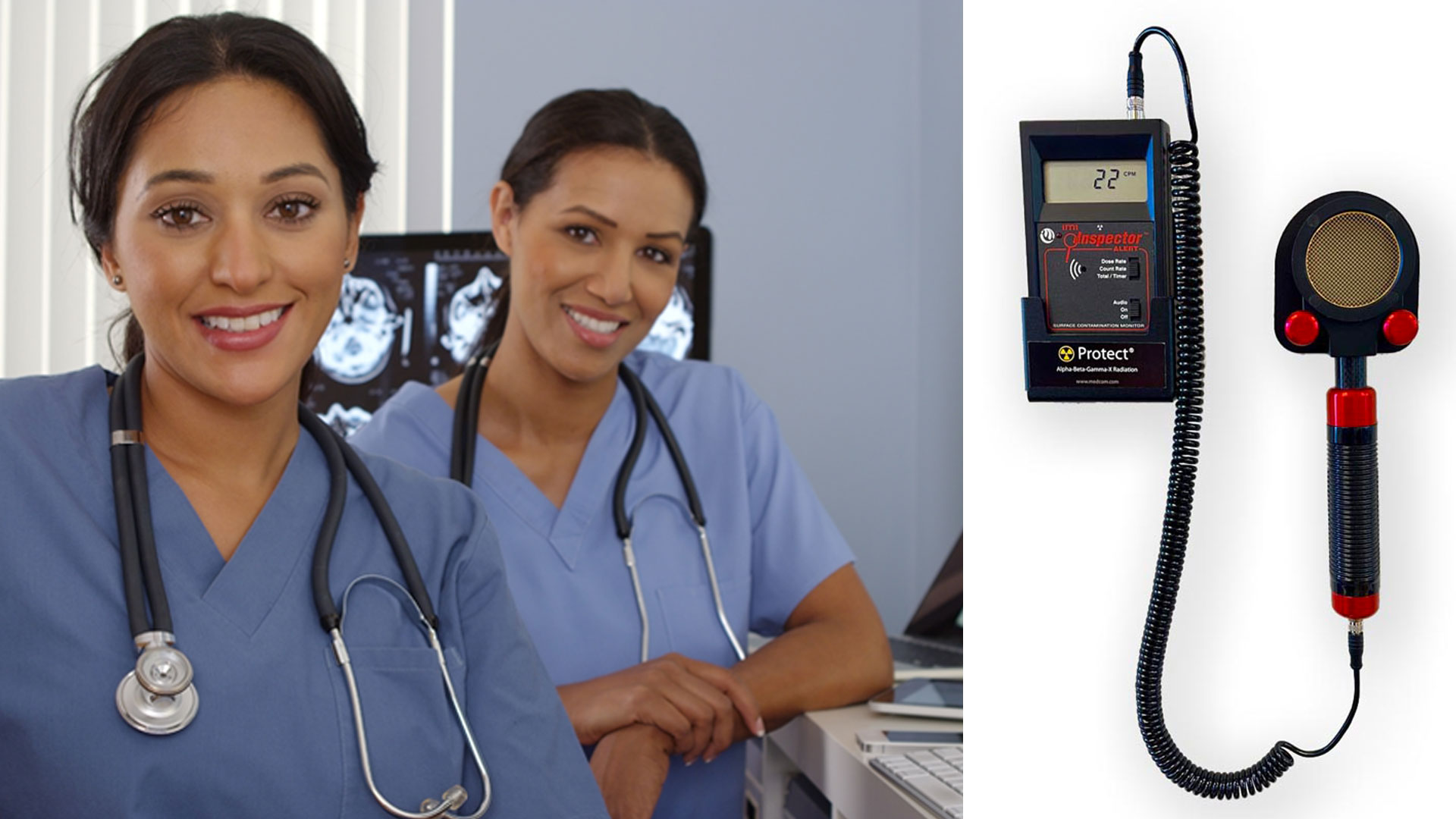



Learn more about The Responder® handheld Geiger counter


International Medcom, Inc. designs and manufactures field-proven radiation detection instruments used by emergency responders, health agencies, researchers, and environmental monitoring teams worldwide. Our handheld Geiger counters are engineered for accuracy, durability, and regulatory compliance in demanding real-world environments.

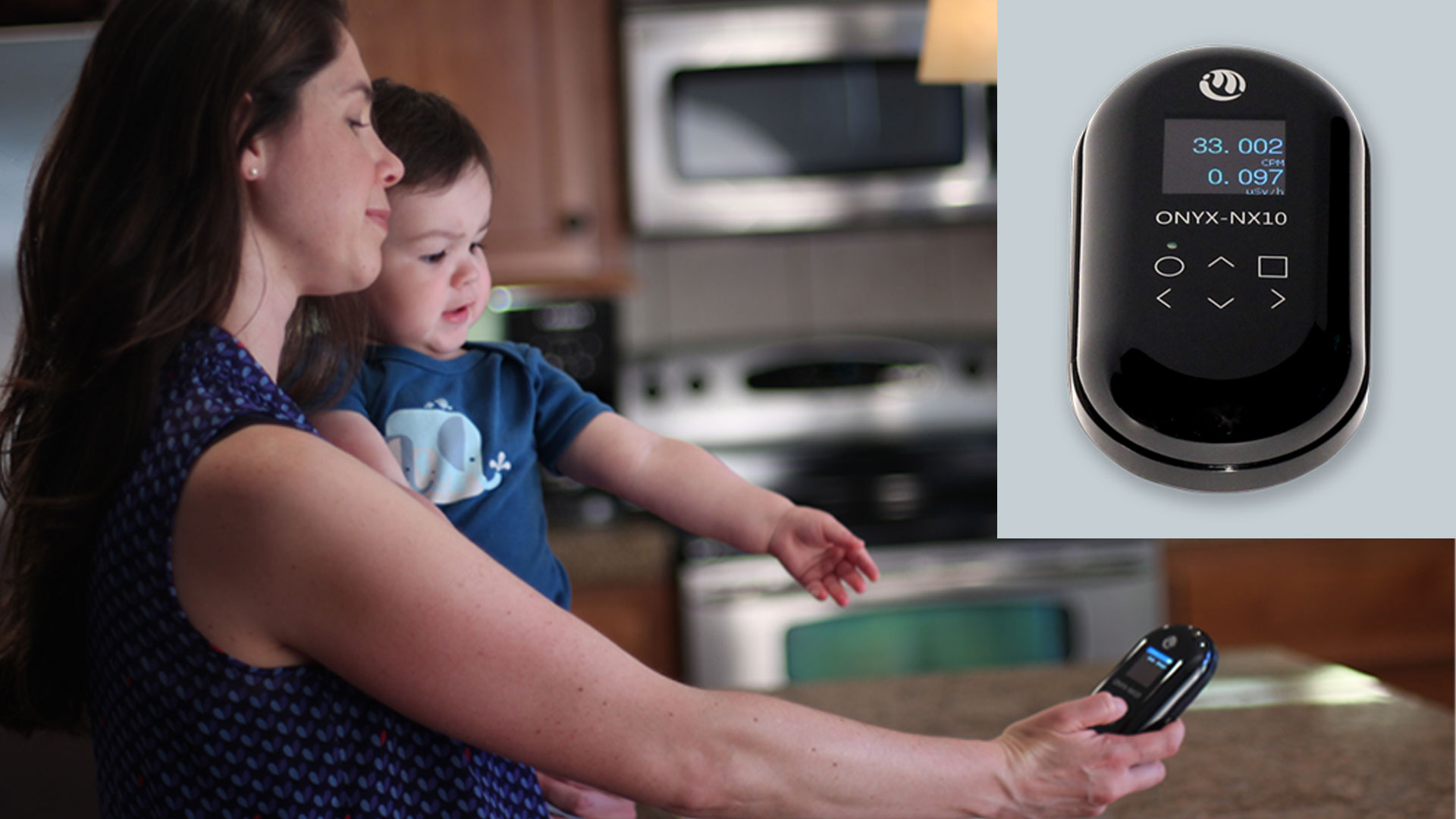
These images show Medcom’s portable radiation detectors in real-world field use, demonstrating display clarity, rugged enclosures, and ergonomic hand grips.
Learn more about The Responder® handheld Geiger counter
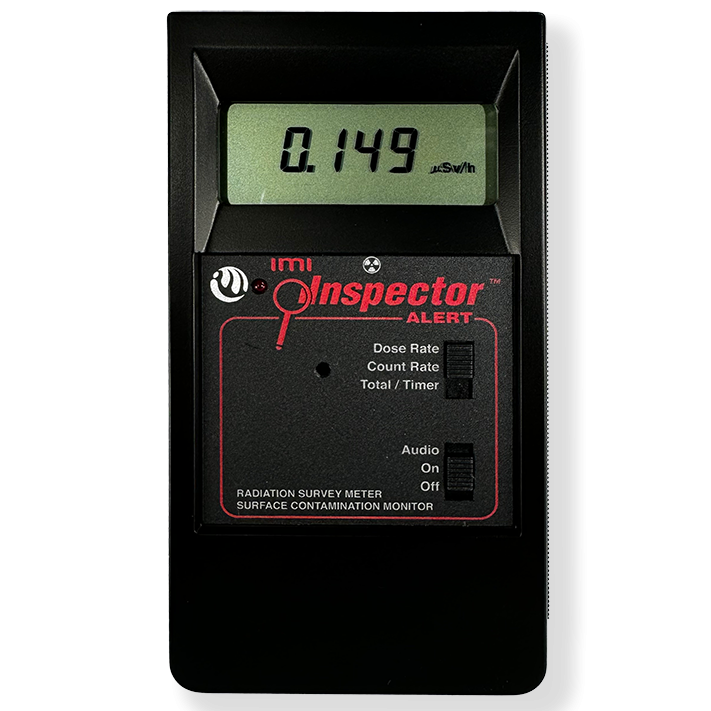
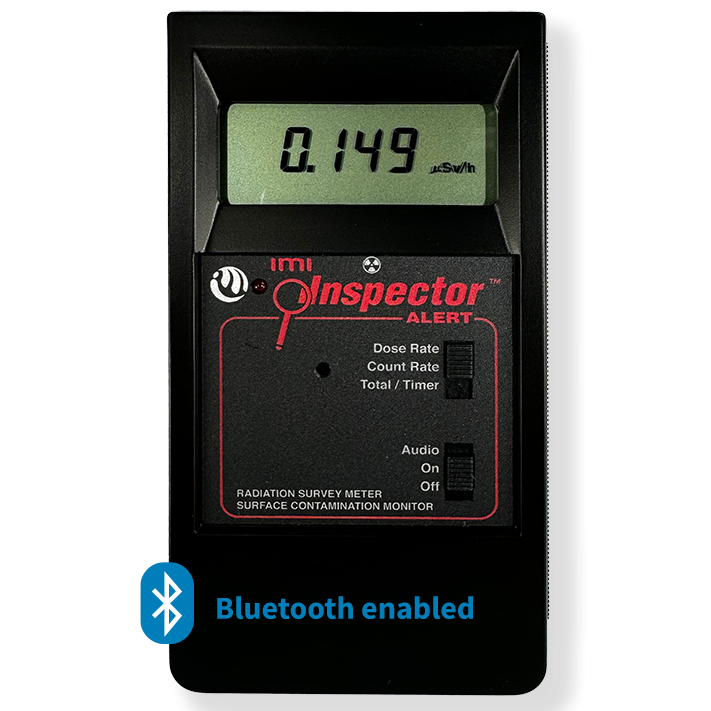
Read about the IMI Inspector Alert™ V2 radiation survey meter
Super-portability with the ONYX® handheld Geiger counter

Log radiation data with the Inspector BLE handheld Geiger counter
See why firefighters uses Radalert 200™ Radiation Survey Meter for First Responders

Learn more about the Radalert® 100X radiation detector


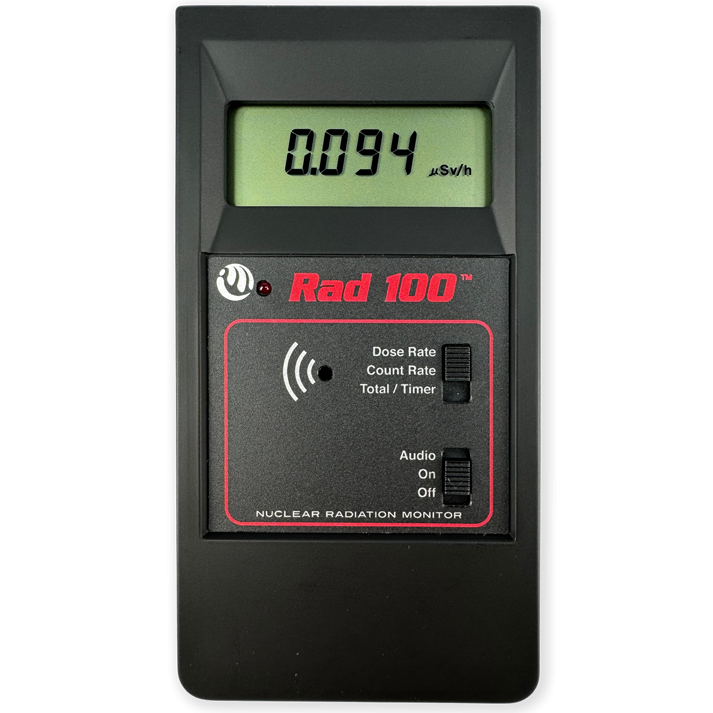
Read about the Rad 100™ radiation survey meter/Geiger counter
Handheld Devices and Monitoring Systems


Medcomʻs radiation detectors detect and measure ionizing radiation, which is sometimes referred to as nuclear or atomic radiation. Ionizing radiation cannot be directly sensed by the human body—we can’t see, smell, taste, hear, or feel it under normal circumstances. It is a form of energy released by atoms in the form of electromagnetic waves or particles that is powerful enough to remove tightly bound electrons from atoms or molecules, thereby ionizing them.
Note: Medcomʻs standard instruments do not detect neutrons, which are most often only present in nuclear reactors, in certain cancer therapy devices, or in proximity to certain special nuclear materials. Medcom can integrate neutron detection into instrumentation as required in specialized security and nuclear arms control projects, as required by our customers. Most of our users do not have a need to detect neutrons.
Medcom instruments do not detect or measure non ionizing forms of radiation, such as radio waves from cell phones, or low frequency electromagnetic radiation from home AC wiring or power lines.
Because ionizing radiation is invisible and undetectable by human senses, it’s essential to use instruments like Geiger counters for detection and measurement. Most of Medcomsʻs standard products are Geiger counters equipped with special mica window technology, which allows alpha, beta and low energy gamma and x-rays to penetrate into the tube and be detected. Since alpha is the most potentially biologically damaging form on ionizing radiation it is essential to have that mica window on any geiger counter that might be used in environments where alpha radiation may be present. The mica window will also allow beta radiation to penetrate the chamber of the geiger tube and be detected.
All of our standard hand held instruments are Geiger counters. A Geiger counter detects and measures ionizing radiation. It works by sensing tiny bursts of electrical activity produced when radiation passes through a specialized gas-filled tube (a Geiger-Mueller, or GM, tube). Each burst—each “click” (or beep)—represents a particle (or photon) of ionizing radiation being counted.
A Geiger counter doesnʻt measure radiation the way a thermometer measures temperature. Instead, it detects events—individual interactions between radiation and matter. What you hear as clicking is the sound of those invisible events made audible. Medcom instruments also display a visual flash (an LED) on the front panel when each event is detected. As radiation levels rise the rate of the flashes (and beeps if in the Audio mode) increase. The numbers on the LCD show the detected radiation level.
Geiger counters are often used because they’re simple, reliable, fast, and less expensive than other types of radiation detectors. If there is a mica window on the GM tube (standard on Medcom instruments) you can detect alpha and low energy beta and gamma radiation (not possible on many more expensive instruments).
Geiger counters don’t tell you explicitly what form of ionizing radiation you’re dealing with, but they do tell you something is there—and how much of it. That’s often the first and most important thing to know. With a little knowledge and experience you can determine whether you are detecting is alpha, beta, gamma or x radiation.
Whether you’re a first responder checking a spill, a scientist surveying a site, or a curious person exploring the world, a Geiger counter is a bridge between what you can’t see and what you need to understand.
A mica window Geiger counter (all Medcom models)—is sensitive to alpha, beta, and gamma radiation, but it can’t directly tell you which type of radiation it’s detecting. However, you can usually infer the type based on how the radiation behaves under different conditions.
Here’s how to distinguish the types using simple methods:
1. Alpha Radiation (α)
Detection: Mica window Geiger tubes can detect alpha particles, but only if the source is very close and unshielded. This is because alpha particles are large and carry a strong electrical charge. They interact with the molecules in air and lose their energy rapidly as they travel.
Test:
⚡ 2. Beta Radiation (β)
Detection: Betas are more penetrating than alphas. The mica window picks most beta emitters up easily, and they can pass through thin materials.
Test:
⚛️ 3. Gamma Radiation (γ)
Detection: Gamma rays are highly penetrating and will pass through paper, plastic, and thin metal.
Test:
💡 Rule of Thumb:
Stops with paper → Alpha
Stops with foil or plastic → Beta
Keeps going through shielding → Gamma
🚫 What It Can’t Do:
A Geiger counter cannot distinguish between radiation types automatically—it only counts ionizing events. For precise identification, you’d need:
These are significantly more expensive but appropriate in certain situations.
Many people and professions benefit from using radiation detectors—either for safety, regulatory compliance, or scientific discovery. Here’s a breakdown by need:
🔧 First Responders
Firefighters, paramedics, and HAZMAT teams
Need to assess unknown spills, suspicious packages, or emergency situations involving potential radioactive material
“You can’t protect against what you can’t detect.”
🏥 Medical Professionals
Radiology techs, nuclear medicine staff, hospital safety officers
Use detectors to monitor exposure from X-rays, CT scans, cancer therapy, or isotope handling
🔬 Researchers & Scientists
In labs using radioactive tracers, particle physics, geology (dating methods), or biology
Need precise, real-time measurements to ensure safety and validate experiments
⚛️ Nuclear Power Plant Workers
Operators, technicians, maintenance staff
Must constantly monitor for leaks, contamination, or changes in radiation levels
🌍 Environmental Monitors
Agencies, individuals or community organizations monitoring nuclear installations in realtime (Medcom makes environmental monitors), surveying fallout zones, nuclear sites, or uranium mines
Also used for soil and water sampling in contaminated areas
🛃 Customs, Border, and Port Security
To detect and intercept radioactive materials being smuggled or trafficked
Often equipped with handheld detectors and portal monitors
🚀 Aerospace, High Altitude Flight and Space Programs
Monitor radiation exposure to astronauts, or cosmic ray research for science.
Detect galactic cosmic rays and high-altitude radiation levels for flight safety on certain routes or during heightened solar activity.
🏠 Civilians
Hobbyists, educators, or concerned homeowners (e.g. checking for radon, antique items, or fallout)
Increasingly used by people near former test sites or during nuclear emergencies
🛠️ Industrial Workers
In oil well logging, food irradiation, materials testing, or scrap metal yards
Radiation is used or encountered in many industrial applications
All of Medcom radiation detection instruments and systems are designed and manufactured in Sonoma County, California, USA, using only the highest quality components produced in California, New York, Texas and, where applicable, from vetted and reliable international sources (when required to meet our high quality standards and where required due to availability of certain components).
All Medcom instruments are capable of detecting X-rays. Our mica window Geiger counters, such as those used in many Medcom models, are particularly effective at detecting X-ray leakage and scatter around medical, dental, and industrial X-ray equipment.
Our Rad100 and Radalert100X are popular in Non-Destructive Testing (NDT), while the Inspector, Onyx, and Responder models offer exceptional sensitivity to low-energy X-radiation.
It’s important to distinguish between detection and accurate measurement. Most medical and dental X-rays are emitted in short, high-intensity bursts, which can be detected by a Geiger counter but not reliably measured. This is due to two main reasons:
Medcom handheld instruments use thin-walled mica-window GM tubes, which offer enhanced responsiveness to low-energy radiation. We do not use energy-compensated tubes in our standard models, because those designs—with thicker sidewalls—are less sensitive to low-energy X-rays and thus not suitable for X-ray detection.
For accurate measurement and calibration of X-ray machines, specialized instruments—often expensive—are required. We recommend consulting a qualified health physicist to assess exposure risks and ensure proper safety protocols.
For basic screening:
⚠️ Keep in mind: while the Geiger counter confirms presence, it does not provide an accurate measurement of X-ray dose.
For further reading, the Health Physics Society offers helpful information on this subject.
All Medcom instruments are shipped with a Certificate of Conformance that guarantees they will perform to specifications presented in our published literature. These specifications are performance standards that are accepted by government regulatory agencies and standards committees across the globe. Upon request we can provide additional proof of performance in the form of a Certificate of Calibration that is traceable to the U.S. National Institute of Standards and Technology (NIST). These NIST Certifications are performed by an independent laboratory that is certified to ISO17025 standards. There is an additional cost for these certificates. Most of our customers do not require NIST certificates. Individuals and organizations who work with radioactive materials or x-ray sources often calibrate their instruments annually to ensure the safety of workers potentially exposed to radiation. This is not because annual calibration is necessary, but as part of a quality program to ensure compliance with regulations and as a precautionary safety measure. Geiger mueller detectors used in our instruments are the highest quality available and often perform consistently for many years – even dedades. Some can, however, drift in performance over time. If you are a hobbyist or occasional user and your instrument is performing consistently there is not a necessity to calibrate your instrument. Radioactive “check sources” can be used to check for consistent performance. Always please remember to be careful with radioactive materials. If you are working around nuclear materials, x-rays or other sources of radiation it is recommended to calibrate your instruments annually to maximize your safety.
We have distributors throughout the world. Please use the contact form to request contact with a distributor near you. Where a local distributor is not available we can ship directly to you. Our standard instruments (those displayed on our website) are classified EAR99, with no export controls. The U.S. government restricts sales of any product to certain countries that are under sanctions imposed by the US government and we comply with all export regulations.
No. Our instruments measure only ionizing, or nuclear, radiation. Radiation from microwave ovens, cellular phones, power lines, and electric appliances is non-ionizing electromagnetic radiation, which our instruments do not detect. Placing your instrument in a microwave oven will damage the instrument and void the warranty.
Accurate measurement of radiation in food is usually performed in a lab with a multi-channel analyzer, with lead shielding to minimize background radiation from the earth and cosmic rays. This sensitive equipment is expensive and requires some knowledge and training. While Medcom can provide and customize this type of laboratory equipment on special request, we do not have a standard product of this type in our inventory. We are asked occasionally if our standard products can detect radiation in food. There is not a simple answer. Yes, radiation in food can be detected with our instruments when a certain level of activity is present. Even naturally occurring Potassium 40 can be detected by our Inspector Alert, Responder and Onyx instruments in certain potassium rich foods. Caution is recommended, though, because certain radioactive materials can accumulate and concentrate in the body. Therefore sensitive screening methods are advised, especially if there is concern about contamination of a food source that is consumed on a regular basis..
In an emergency situation a Geiger counter with mica window (all Meccom handheld instruments) can be used for screening food. A “2 inch pancake GM tube” (as built into our Inspector, Responder and Onyx instruments) will provide the greatest sensitivity.
For maximum sensitivity using one of our instruments you can use the Total/Timer feature to count for extended periods to compare the normal background radiation at your testing location with any radiation coming from the food source. Keep in mind that there is some naturally occurring Potassium 40 in all potassium rich foods. Our instrument manuals provide instructions for using the Total/Timer feature.
Our standard handheld radiation detection instruments* operate on one AA battery. Some of our older instruments operate on one 9 volt alkaline battery. Expected battery life is 3 to 6 months of continuous use (24/7 operation). Because our instruments are designed and built to last a lifetime we recommend the use of high quality industrial grade AA alkaline batteries, because low quality batteries can corrode over time, damaging the battery contacts. Eveready and Duracell manufacture industrial grade AA alkaline batteries that have a guaranteed 10 year shelf life without corrosion. We ship each instrument with a long shelf life industrial grade alkaline battery. Lithium AA batteries can also be used with our current instruments, and will provide extended battery life. If you are planning to store your instrument for extended periods (over one year) we recommend removing the battery to minimize the chance of corrosion damage.
Our choice of readily available AA batteries is based on the needs of the first responder and security customers we serve, who prefer batteries that are easy to find in emergency situations.
*Our Onyx instrument, a special project, runs on a rechargeable lithium battery.
Our founders come from backgrounds in medical instrumentation and emergency response, and have produced imedical instruments to strict FDA GMP standards. Our quality program incorporates over 40 years of experience designing and producing high quality instruments. Each of our instruments are individually tested to asure compliance with our continuously refined quality program and our published specifications. Long life and reliability is at the top of our mind in the design and production of all of our instruments. All components of our instruments are selected for high performance, long life and reliability. The electronic assemblies of each of our hand held instruments are built in an ISO9001 certified environment. The GM tubes in our instruments are also produced in an ISO9001 certified environment. All of our hand held instruments are compliant with ROHS, REACH EU, and FCC requirements, and are CE certified. Our instruments are further certified to be free of conflict minerals.
We design and build our instruments to last a lifetime and our manufacturing processes and quality programs are in a state of constant refinement. We are continually pleased to hear from customers that are still using instruments they purchased from us over 35 years ago. Many instruments our team designed over 40 years ago are still working perfectly. Usually if there is a failure it is due to one or more of a few situations:
Geiger tubes often last for decades but sometimes they will fail over time if vacuum is lost. Since our tubes are built with mica windows (to detect alpha, beta and low energy gamma and x-rays) care should be taken not to poke any object into the copper/beryllium screen that protects the mica. The mica is necessarily thin to allow alpha and beta radiation to enter the tube and be detected.
Our instruments are provided to customers with a 2 year warranty, limited to one year on the GM tube. In the event of a GM tube failure outside of warranty, we provide repair service at very reasonable rates.
Reliability is at the top of our mind when we design, build and test our instruments. We also think that if you purchase one of our instruments it should last you a lifetime. Next in our design goals is simplicity. Since many of our users are first responders we donʻt want to burden them with a complex human interface during emergencies. Since touch sensitive keypads can be difficult to operate with safety gloves we stick to tactile slide switches (at the request of our users) on our front panel, because they are intuitive and easy to operate.* It is also important to us that the display is bold and easy to read from all angles, even in bright sunlight.*. Long battery life with standard, easy-to-find, batteries is also important to us and our customers. Our standard instruments provide extremely long battery life.* Another feature we think is important is the “Alert Mode” offered in our Inspector Alert, Radalert, and Responder instruments. In this mode the user can set an alert level and the instrument will produce an audible warning if that level is exceeded. With this feature continuously watching the instrument to be aware of radiation level variations is not required. We try to find the right balance in the size of the instruments we produce. If instruments are large and bulky they are incovenient to carry and transport. If they are too small they can be hard to find when you need them.
*Our Onyx instrument is an exception to this approach. It is optimized for small size and was part of a special project that requred customization for a different set of user needs. It operates on a rechargeable battery.
At Medcom we service all of our instruments. We do not service instruments produced by other manufacturers. Repairs are rarely needed for our instruments after they are shipped, but we are available to provide support and repairs at reasonable rates when needed. Under warranty we repair or replace instruments at no charge to the customer and we pay for return shipping to the customer. Most calibration laboratories across teh globe are familiar with Medcom instruments and can provide service (such as replacing a broken Geiger tube) when needed.
Yes, Medcom has provided customized radiation detectors and systems for a variety of customers in the fields of environmental safety, education, science and security. We have developed customized instruments for border security and nuclear non proliferation agreements, monitoring systems for at risk communities, and we have responded rapidly to radiological emergency situations. Our preference is prevention rather than emergency response and we have actively participated and contributed, when requested, in conferences, panels and projects, advocating for cautionary principles, safety and security. We provide customized kits for first responders and others under our Protect® brand. Learning about radiation and radiation detection is important for the coming generations and and can provide instruments tailored to the specific needs of schools and universities. We have provided custom labeled instruments for Los Alamos National Laboratories, the Environmental Protection Agency, New York Fire Department, Vernier Software, Berkeley Nucleonics and others.
Medcom provides radiation detectors to a variety of end users across the globe. Customers include first responders, security personnel, environmental protection organizations, medical and laboratory workers, doctors, dentists, regulators, community organizations, nonprofit organizations, universities, schools, non destructive testing providers, the oil and gas industry, radiation workers, national laboratories, emergency response teams, government agencies, border protection agencies, port authorities, scrap metal and waste facilities, healthy home contractors, preppers and home owners. Customers include FDNY (Fire Department New York), Los Alamos National Laboratory, Lawrence Livermore National Laboratory, U.S. National Nuclear Security Agency, Stanford University, John Hopkins University, US Environmental Protection Agency, New York City Office of the Governor, Police Department New York, Defense Threat Reduction Agency, and many nonprofits and public service agencies dealing with public safety and situational awareness.
Over 40 years Medcom has developed and nurtured a reputation for high quality instruments that provide many many years of useful service, with features and sensitivity that maximize safety and situational awareness. Customers appreciate the responsiveness of our team to their needs, and our ongoing support. Medcom also provides the worldʻs best warranties on our instruments. There are many companies producing radiation detectors today, but few that have been in continuous operation for 40 years. There are less expensive instruments on the market today but most of them do not provide the same level of quality and reliability, the same level of sensitivity, or the same level of support. There are also many instruments that are more expensive but are a bit complicated for users who are not trained in their use. The various options and adjustments, designed for sophisticated specialists, can be intimidating and confusing to many users. For these and other reasons many individuals and organizations come back to Medcom year after year and refer others to us.
Medcom instruments have been featured in international news coverage related to environmental safety, emergency preparedness, and radiation monitoring.